Diet Protein
Shop Diet Protein at Myprotein
Diet protein is protein powder formulated specifically for people working towards a weight management goal, without compromising on the protein intake that matters. Where standard protein powders focus purely on protein content, diet protein products are built around a leaner nutritional profile — typically higher protein, lower calories, and often with added ingredients that complement a calorie-conscious lifestyle. Whether you're tracking macros, in a caloric deficit, or simply want a smarter shake, diet protein is engineered with that purpose in mind.
The range at Myprotein covers weight loss protein powder options built around fast-digesting and multi-source protein blends, giving you flexibility whether you're reaching for something post-training or as a between-meal top-up. Diet whey protein and total protein blends sit at the core of this category — both delivering serious protein numbers in a format that fits around a leaner diet.
Who Diet Protein Is For
Diet protein is for anyone who wants to keep protein intake high while managing overall calorie consumption. That might mean someone in a structured fat-loss phase who still wants to hit their daily protein targets, or a recreational gym-goer who's mindful of what goes into their shakes. It's a practical fit for anyone who feels that standard protein powders carry more calories or carbohydrates than their current goals call for.
It also suits people who want more from their supplement than protein alone. Diet protein formulas often include added micronutrients or functional ingredients that make them a more considered choice for anyone eating with intention. If you're already paying attention to what you eat, diet protein is a shake that thinks the same way.
When to Use Diet Protein
The most popular time to use diet protein is post-workout, when protein intake is a priority and you want to keep the rest of the nutritional profile tight. Protein contributes to the growth and maintenance of muscle mass1, making it a natural fit after training sessions — and because diet protein formulas tend to be lower in calories than standard options, they slot in cleanly without pushing you over your daily targets.
Beyond the gym, diet protein works well as a high-protein, lower-calorie alternative to snacks or smaller meals throughout the day. It's a convenient way to reach your protein target when whole food options aren't available or practical. Many people also use it as a morning shake to start the day with a strong protein base before meals begin to add up.
Diet Protein Benefits
High Protein in a Leaner Package
Diet protein powders are built to deliver a high protein hit without the calorie load of a standard shake. Options like Impact Diet Whey offer up to 36g of protein per serving — a serious number for anyone prioritising protein while staying within a calorie budget. Protein contributes to the maintenance of muscle mass1, making the protein-to-calorie ratio here one of the most important features of this category.
Multi-Source Protein Blends
Some diet protein options — like Total Protein Blend — bring together seven types of protein in a single serving. Different protein sources digest at different rates, meaning the amino acid availability from a blend is spread more evenly across time. For anyone structuring their nutrition carefully, that kind of formulation offers more versatility than a single-source product.
Functional Added Ingredients
Diet protein formulas often include more than just protein. Impact Diet Whey, for example, contains choline, which contributes to normal lipid metabolism2 — an addition that makes it a more complete formula for people tracking their nutrition with intention. These aren't just protein shakes with a diet label — the ingredient selection is genuinely tailored to complement a leaner approach to eating.
Flexible Format for Any Routine
Diet protein powder mixes easily into water or milk and works equally well as a post-workout shake or a quick protein top-up between meals. The powder format means precise serving sizes, simple tracking, and no prep time — practical advantages for anyone managing their intake closely day to day.
Popular Picks
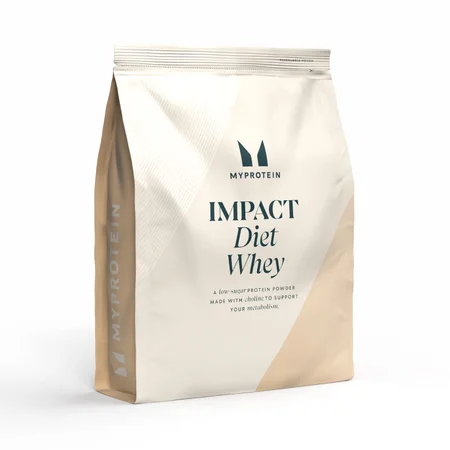
Impact Diet Whey — A high-protein formula built for those who want more from their shake, packing up to 36g of protein per serving alongside green tea extract, CLA, and added choline.
Total Protein Blend — For those who want serious protein variety in a single scoop, Total Protein Blend combines seven different protein sources to deliver 24g of protein per serving with low fat and low sugar.
FAQs
What is diet protein powder?
Diet protein powder is a protein supplement formulated with a leaner nutritional profile than standard protein powders — typically higher protein content relative to overall calories, and often with lower carbohydrate and fat levels. It's designed for people who want to maintain their protein intake while keeping overall calorie consumption in check. Diet whey protein and multi-source protein blends are common formats within this category, each offering a high-protein option built around a more calorie-conscious nutritional profile.
What's the difference between diet protein and regular protein powder?
The key difference is in the overall nutritional profile. Regular protein powders are built primarily to maximise protein delivery, without necessarily limiting other macronutrients. Diet protein powder, by contrast, is formulated to provide a high protein hit while keeping calories, carbohydrates, and fats lower — making it better suited to people working within a calorie deficit or tracking macros closely. Some diet protein formulas also include added functional ingredients not typically found in standard protein powders.
Which diet protein powder should I choose?
If maximising protein per serving is the priority, Impact Diet Whey is worth a close look — it delivers up to 36g of protein per serving and includes choline, which contributes to normal lipid metabolism2. If you'd prefer a multi-source approach, Total Protein Blend brings together seven types of protein in a 24g-per-serving formula, giving you a broader amino acid profile across a range of digestion rates. Both are developed by Myprotein's expert nutritionists and sit at the core of the diet protein range.
When is the best time to take diet protein powder?
Post-workout is the most common time, when protein intake is a clear priority and a lower-calorie shake fits well within daily targets. Diet protein also works well between meals as a high-protein, lower-calorie alternative to snacking, or first thing in the morning to start the day with a strong protein base. Because the calorie count is deliberately lean, it's a flexible option that can slot into different points in the day without disrupting a carefully tracked intake.
How much protein do I need when trying to lose weight?
Protein requirements vary depending on body weight, activity level, and training intensity — but keeping protein intake relatively high during a calorie deficit is a well-established approach in sports nutrition. Protein contributes to the maintenance of muscle mass1, which is particularly relevant when overall calorie intake is reduced. A qualified nutritionist or dietitian can give you a specific recommendation based on your individual circumstances, but diet protein powder is a practical tool for reaching daily protein targets without adding excess calories.
Can diet protein powder be used as a meal replacement?
Diet protein powder is a high-protein supplement, not a meal replacement. It's designed to complement a structured diet, not substitute complete meals. Using it alongside balanced whole food meals is the intended approach — as a post-workout shake, a between-meal protein top-up, or a morning shake to start the day with solid protein intake. For structured meal replacement use, specific meal replacement products with a broader nutritional profile are the more appropriate choice.
Who developed the diet protein range at Myprotein?
The diet protein range is developed by Myprotein's expert nutritionists, who formulate each product to meet specific performance and nutritional goals. That expertise shapes both the protein content and the choice of additional ingredients — from protein source selection in multi-blend formulas to functional additions like choline in Impact Diet Whey. The result is a range built with genuine nutritional intent, not just a standard protein powder with a diet label applied.
Is diet protein powder suitable for both men and women?
Diet protein powder is suitable for any adult who wants to maintain a high protein intake as part of a calorie-conscious diet. The products in this range aren't formulated for a specific gender — they're built around a nutritional profile that works for anyone tracking their intake carefully. Whether you're training regularly or simply making more considered food choices, the format and nutritional profile of diet protein are designed to complement that approach regardless of who's using it.
What protein sources are used in diet protein powders?
The sources vary by product. Impact Diet Whey is built around whey protein — a fast-digesting dairy-derived protein that delivers a high protein content per serving. Total Protein Blend takes a broader approach, combining seven different protein types in a single formula, including both fast and slower-digesting sources. Multi-source blends offer a varied amino acid release profile compared to single-source options, which some people prefer when using protein across different points in the day.
How does diet protein fit into a calorie-controlled diet?
Diet protein powder is built to work within a calorie-controlled approach — the leaner nutritional profile means it delivers a high protein hit without adding significant calories from fat or carbohydrates. That makes it easier to hit daily protein targets while staying within a defined calorie budget. It's a straightforward tool for anyone who's already tracking their food intake and wants a supplement that aligns with that level of precision, rather than one that requires careful calorie accounting every time they take a shake.
1. Protein contributes to the growth and maintenance of muscle mass.
2. Choline contributes to normal lipid metabolism.