Vegan Protein
We’ve developed a large range of vegan protein powders to cater for anyone looking for plant-based protein shakes. Our vegan proteins are packed with great nutritionals, contain all the essential amino acids you need, and come in a delicious variety of flavours, too.
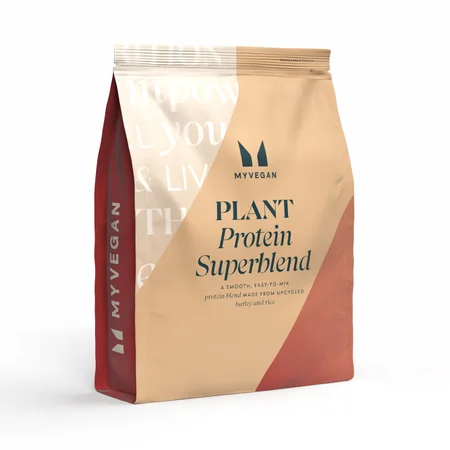
Why not try our specially created Vegan Protein Blend? A great source of protein, BCAAs, vitamins, minerals, essential fatty acids, and fibre. Take a look at some of our best vegan supplements, all plant-powered.
Shop our incredible range of vegan protein shakes and powders, perfect for anyone looking to fuel their training while following a plant-based diet. Our vegan proteins are packed with excellent nutritionals and come in a variety of flavours.
5 Results

Shop Vegan Protein at Myprotein
Plant based protein has come a long way. Whether you're fully plant-based or just looking to diversify your protein sources, vegan protein powders deliver serious nutrition without compromise. Each serving packs in a substantial hit of protein — the kind that contributes to muscle growth and maintenance1 — all from plant-derived sources like soy, pea, and blended superfood formulas.
The range covers everything from single-source options to multi-blend formulas, available across a wide variety of flavours. Clean labels, high protein content, and no animal-derived ingredients — this is plant based protein powder built for people who take their training seriously.
Who Vegan Protein Is For
Vegan protein is for anyone who trains hard and follows a plant-based or flexitarian diet. Athletes, gym-goers, and active people looking to hit their daily protein targets without relying on whey or dairy will find exactly what they need here. These products are formulated to match the protein density you'd expect from any high-quality supplement — just without the animal products.
You don't have to be a dedicated vegan to make use of these, either. Plenty of people incorporate vegan protein powder into their routine simply because they want more variety, have a sensitivity to dairy, or prefer a lighter-feeling shake. Whatever the reason, the nutrition speaks for itself.
When to Use Vegan Protein
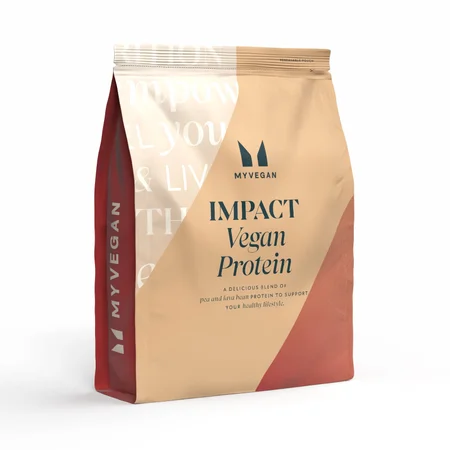
Post-workout is the most popular window for vegan protein — it's a straightforward way to get a high-protein hit into your routine after training. With options like Impact Vegan Protein delivering 24g of protein per serving in under 118 calories, it's a lean and efficient choice for after the gym.
That said, vegan protein powder isn't limited to the post-workout slot. It works just as well mixed into porridge, blended into smoothies, or used as a mid-morning or afternoon protein top-up. The versatility makes it easy to fit around any schedule, not just gym days.
Vegan Protein Benefits
High Protein Per Serving
These aren't token amounts. Across the range, you're looking at 20g to 25g of protein per serving — comparable to any mainstream protein powder on the market. Protein contributes to the growth and maintenance of muscle mass1, making a high-protein formula a practical choice for anyone with an active lifestyle.
Complete Amino Acid Profiles
One of the common questions about plant based protein is whether it covers all nine essential amino acids. Plant Protein Superblend answers that directly — it contains all 9 essential amino acids, meaning you're not missing anything your body can't produce on its own.
Versatile Formats
Vegan protein powder is as flexible in the kitchen as it is in the gym. Beyond shakes, it works well stirred into oats, blended into smoothies, or incorporated into protein baking recipes. Multiple flavours are available across the range, so keeping things interesting is easy.
Fits a Variety of Diets
Every product in this range is free from animal-derived ingredients, making them suitable for vegan and plant-based diets. The range also tends to be lower in fat and free from lactose, making it a straightforward option for those who prefer to keep their supplement stack clean and simple.
Popular Picks
Plant Protein Superblend — Plant Protein Superblend delivers at least 20g of protein per 28g serving — all 9 essential amino acids, low sugar, and low fat — making it the go-to for anyone wanting a complete plant-based protein in a compact hit.
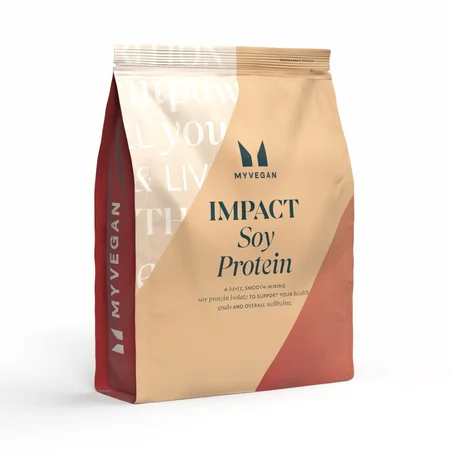
Impact Soy Protein — Impact Soy Protein is built for those who want serious protein numbers without the extras, packing 25g of protein per serving at over 87% protein content and keeping both sugar and fat low.
Impact Vegan Protein — At under 118 calories per serving and 24g of protein, Impact Vegan Protein is the pick for anyone counting calories without wanting to compromise on flavour — with over 10 options to choose from.
FAQs
What is plant based protein powder?
Plant based protein powder is a concentrated protein supplement made entirely from plant-derived sources — typically ingredients like soy, pea, brown rice, or blended superfoods. It's processed to extract and concentrate the protein content, resulting in a powder that delivers a high amount of protein per serving. Protein contributes to the growth and maintenance of muscle mass1, and plant-based versions offer an equivalent protein hit to dairy-based alternatives without any animal-derived ingredients.
What vegan protein powders are available at Myprotein?
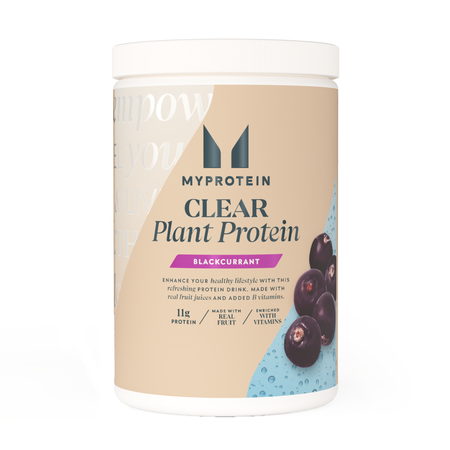
The range includes four core vegan protein powders: Plant Protein Superblend, Impact Soy Protein, Impact Vegan Protein, and Impact Pea Protein, plus Clear Vegan Protein for a lighter, juice-style shake. Each product has a different protein source and profile, so there's genuine variety depending on what you're looking for — whether that's a complete amino acid blend, a single-source formula, or something with a lower calorie count.
Which vegan protein powder should I choose?
Impact Vegan Protein is a strong starting point for most people — it delivers 24g of protein per serving for under 118 calories, making it one of the leaner options in the range. If you want a complete amino acid profile in one product, Plant Protein Superblend covers all 9 essential amino acids and provides at least 20g of protein per 28g serving. For those who prefer a pea-based or soy-based single-source formula, Impact Pea Protein and Impact Soy Protein are both solid choices with high protein content per serving.
Is vegan protein powder as effective as whey protein?
Gram for gram, a quality vegan protein powder can deliver comparable protein content to whey. Impact Soy Protein, for example, contains at least 87% protein with 25g per serving — figures that hold up against most whey products. Soy protein, in particular, is one of the few complete plant proteins, covering all essential amino acids. The key is choosing a product that meets your protein targets per serving.
Can I use vegan protein if I'm not fully plant-based?
Vegan protein powder is a practical choice for anyone, regardless of diet. Many people use plant-based protein powder alongside dairy-containing foods simply for variety, to reduce their dairy intake, or because they find plant-based formulas easier to digest. There's no requirement to follow a fully vegan diet to benefit from including these in your routine.
When is the best time to take vegan protein powder?
Post-workout is the most common time — it's a convenient way to increase your daily protein intake after training. However, vegan protein powder works equally well at other points in the day: mixed into breakfast, blended into a smoothie, or taken as a protein top-up between meals. The right time depends on your overall daily protein intake and what works for your schedule.
How many grams of protein do I need per day?
General dietary guidelines suggest around 0.8g of protein per kilogram of bodyweight per day for sedentary adults, though many active individuals and athletes aim considerably higher. Vegan protein powders make it straightforward to meet higher daily targets — a couple of servings alongside protein-rich meals can close the gap efficiently, particularly for those who find it harder to hit protein targets through plant-based whole foods alone.
Who develops Myprotein's vegan protein products?
Myprotein's vegan protein range is developed by Myprotein's expert nutritionists. Each formula is created to deliver meaningful protein content, a clean ingredient profile, and a range of flavours — so the products are practical for everyday use, not just technically compliant.
What does vegan protein powder taste like?
Modern vegan protein powders have improved considerably in taste and texture. The range is available across multiple flavour options — from chocolate and vanilla to fruit varieties through Clear Vegan Protein, which mixes more like a juice than a traditional shake. If you're new to plant based protein powder, starting with a flavour you already know you enjoy is a reliable way in.
Can vegan protein powder be used in recipes?
Vegan protein powder works well beyond a standard shake. It can be stirred into porridge, blended with frozen fruit for a smoothie, mixed into pancake batter, or folded into protein ball recipes. The powder format makes it easy to add to everyday foods and increase the protein content of meals without changing the overall structure of a recipe significantly.
1. Protein contributes to the growth and maintenance of muscle mass.