Casein & Milk Protein
4 Results
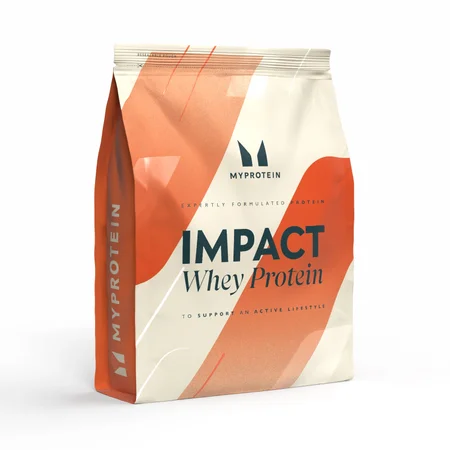
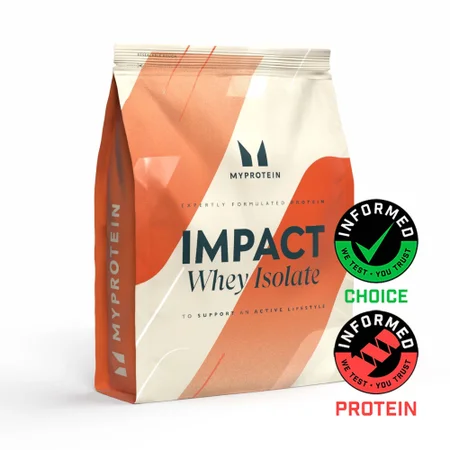
Shop Milk Protein at Myprotein
Milk protein is one of the most complete protein sources available, derived directly from cow's milk and naturally containing both whey and casein fractions. Each serving delivers a full spectrum of essential amino acids, making it a staple in the supplement routines of athletes, gym-goers, and anyone focused on hitting their daily protein targets. Protein contributes to the growth and maintenance of muscle mass1, and milk protein powder is one of the most efficient ways to hit your daily intake.
The range at Myprotein spans fast-digesting whey concentrates and isolates through to slow-releasing micellar casein — all derived from milk protein sources. Whether the goal is maximising protein per serving, keeping calories in check, or finding a powder that works around a training schedule, there's a format here that fits.
Who Milk Protein Is For
Milk protein powder is particularly well-suited to anyone who trains regularly and wants a reliable, high-quality protein source to work into their daily routine. The dual-fraction nature of milk protein — combining fast-absorbing whey with slower-digesting casein — makes it versatile enough to use at multiple points throughout the day. Those looking for a straightforward way to meet their protein targets without overcomplicating their nutrition will find it a natural fit.
It's also a strong choice for people who prioritise amino acid completeness. Milk protein naturally contains all nine essential amino acids, including the branched-chain amino acids leucine, isoleucine, and valine. Whether someone is in a building phase, maintaining their current physique, or simply making sure their diet is nutritionally well-rounded, milk protein sits comfortably across all of those goals.
When to Use Milk Protein
Timing can vary depending on which milk protein format you're using. Whey-based options — like Impact Whey Protein Powder or Impact Whey Isolate Powder — are fast-absorbing, making them a popular choice to mix up quickly after a session. They're also easy to work into a morning routine or mid-afternoon when a meal isn't practical but protein intake matters.
Micellar casein, on the other hand, digests more gradually, making it a common choice for those who want a slower protein release across a longer window. Many people use casein-based milk protein powder in the evening, before a period without food. Whichever format you go for, consistency across the day tends to matter more than any single serving window.
Milk Protein Benefits
Complete Amino Acid Profile
Milk protein naturally contains all nine essential amino acids — the ones the body can't produce on its own and must get from food or supplements. That completeness is one of the reasons milk-derived proteins are so widely used across different training goals and dietary approaches.
Two Protein Fractions in One Source
Milk protein is unique in that it contains both whey (fast-absorbing) and casein (slow-digesting) fractions. Whey isolate powders maximise the fast-absorbing fraction, while micellar casein preserves the slow-release structure. Having access to both within a single protein family gives real flexibility in how you structure protein intake across the day.
High Protein Per Serving
Across the range, milk protein powders deliver meaningful protein per serving — Impact Whey Isolate Powder provides up to 26g per serving, while Impact Whey Protein Powder and Impact Micellar Casein Powder each provide up to 23g. That's a straightforward way to close the gap between what you're getting from food and what your daily target calls for. Protein contributes to the maintenance of muscle mass1 and normal bones2.
Versatile and Easy to Use
Milk protein powders mix well into water or milk, making them quick to prepare as a shake. They also work in cooking and baking — stirred into oats, blended into smoothies, or added to recipes where a protein boost fits naturally without changing the flavour dramatically.
Popular Picks
Impact Whey Protein Powder — If you want a high-quality protein hit without the extra calories, Impact Whey Protein Powder delivers up to 23g of protein per serving for just 114 calories, with under 2g of fat and 2g of carbs.
Impact Whey Isolate Powder — Built for those who want maximum protein with minimal fuss, Impact Whey Isolate Powder packs up to 26g of fast-absorbing protein into just 109 calories per serving.
Impact Micellar Casein Powder — With 23g of slow-release protein and a complete amino acid profile per serving, Impact Micellar Casein Powder is the one to reach for before bed.
FAQs
What is milk protein powder?
Milk protein powder is a supplement derived from cow's milk that contains both whey and casein protein fractions. It delivers a complete amino acid profile — including all nine essential amino acids — in a convenient powder format. Most milk protein powders are available as whey concentrates, whey isolates, or micellar casein, each with a different absorption rate and protein content per serving.
What is susu protein (milk protein) and how does it differ from other protein types?
Susu protein — milk protein — is sourced directly from cow's milk and is distinct from plant-based options like soy or pea protein because it naturally contains both whey and casein. This dual-fraction makeup means it delivers a more complete amino acid composition than most single-source plant proteins. Compared to egg white protein, milk protein tends to be more widely available in powder form and comes in a broader range of flavours and formats.
What's the difference between whey protein and micellar casein?
Both are milk proteins, but they behave differently once consumed. Whey — found in products like Impact Whey Protein Powder and Impact Whey Isolate Powder — is absorbed relatively quickly, making it a popular post-session choice. Micellar casein, found in Impact Micellar Casein Powder, digests more slowly and is often used when a longer window without food is expected, such as before sleep or between meals.
Which milk protein powder should I choose?
It depends on what you're prioritising. Impact Whey Isolate Powder is the highest-protein option at up to 26g per serving with ultra-high protein content per calorie — a strong choice if protein density is the main priority. Impact Whey Protein Powder delivers up to 23g per serving at just 114 calories, making it a versatile everyday option. For a slower-releasing milk protein, Impact Micellar Casein Powder provides 23g per serving alongside a complete amino acid profile.
How much milk protein powder should I take per day?
Most people use one to two servings per day, depending on how much protein they're getting from whole food sources. A single serving typically provides between 23g and 26g of protein across this range. The best approach is to calculate your total daily protein target and use milk protein powder to fill the gap between what food provides and what you need.
Can milk protein powder be used as a meal replacement?
Milk protein powder is designed as a supplement to complement your diet, not replace meals outright. It's a practical way to increase protein intake around training or between meals without preparing food. For a more complete nutritional profile at mealtimes, combining a protein shake with whole food sources of carbohydrates, fats, and fibre is the more balanced approach.
Is milk protein powder suitable for vegetarians?
Milk protein powder is suitable for lacto-vegetarians, as it's derived from cow's milk rather than meat or fish. It is not suitable for vegans. If you follow a plant-based diet, the broader Myprotein range includes soy, pea, and blended plant protein options as alternatives.
Who developed Myprotein's milk protein range?
Myprotein's milk protein products are developed by Myprotein's expert nutritionists, who formulate each product to meet specific protein targets, quality standards, and flavour benchmarks. The range is designed to cover different protein needs — from fast-absorbing whey isolates to slow-releasing micellar casein — giving customers options that fit different goals and routines.
Can I use milk protein powder in cooking and baking?
Milk protein powders work well in a range of recipes beyond the standard shake. They blend smoothly into oats, pancake batters, smoothies, and protein balls. Flavoured options add a natural sweetness to recipes without the need for additional sugar, and unflavoured variants mix into savoury dishes without altering the taste profile.
What flavours and formats does the milk protein range come in?
The milk protein range at Myprotein includes multiple flavour options across whey concentrates, isolates, and micellar casein powders — from classic chocolate and vanilla to more varied options depending on the product. All formats come in powder form, designed to be mixed with water or milk. Bag sizes vary across the range, giving flexibility in how much you commit to before settling on a favourite.
1. Protein contributes to a growth in muscle mass and to the maintenance of muscle mass.
2. Protein contributes to the maintenance of normal bones.