
Instant overview
- Successful bulking requires a controlled caloric surplus of approximately 300 calories to support clean, lean muscle gains while minimising excess body fat accumulation.
- Muscle protein synthesis is maximised by consuming roughly 20g of high-quality protein every 3-4 hours, alongside daily intake of the amino acid leucine.
- Carbohydrates act as the primary fuel source during weight training and are essential post-workout to restore depleted muscle glycogen stores.
- Muscles repair and grow larger during periods of rest and non-rapid-eye-movement (NREM) sleep, rather than during the training session itself.
The keys to a clean, science-backed bulk include maintaining a modest 300-calorie surplus, matching carbohydrate portions to daily training demands, and consuming high-quality protein variants rich in leucine. Muscle tissue adapts, evolves, and grows during deliberate recovery phases and deep NREM sleep cycles, making structured rest just as critical as heavy compound lifting. Supplements like mass gainers, whey protein, and creatine can be utilised alongside budget-friendly whole foods to safely accelerate progress.
Science-backed bulking: at a glance
| Bulking pillar | Nutritional & physical targets | Primary physiological function | Top source / strategy examples |
|---|---|---|---|
| Protein intake | 2.2g per kg of lean body mass; ~20g every 3-4 hours | Maintains a positive nitrogen balance to rebuild, repair, and grow damaged muscle fibres. | Chicken breast, eggs, fish, soy, and plain yoghurt. |
| Leucine activation | 50mg per kg of body mass daily | Acts as the metabolic "on switch" to trigger muscle protein synthesis. | Tuna, tofu, chicken, and high-quality whey protein. |
| Carbohydrates | ~3g per kg of body weight on rest days (scaled up on heavy days) | Serves as the main energy source for daily exercise and restocks muscle glycogen stores post-workout. | Oats, brown rice, whole-wheat pasta, and potatoes. |
| Healthy fats | Portion-controlled, dense energy (9 calories per gram) | Provides an easy method to hit a daily caloric surplus without excessive volume. | Nuts, seeds, avocado, oils, and dairy products. |
| Deep sleep | At least 7-8 hours per night | Enters NREM cycles to release growth hormone and anabolic building hormones for tissue repair. | Consistent bedtime schedules and targeted nighttime recovery. |
| Smart training | Varied intensity, duration, and exercise selection | Forces adaptations by applying fresh stimuli to prevent progress plateaus. | Compound lifting, resistance training, calisthenics, and light cardio. |
Jump to:
- Fuel your workout for bulking
- Supplements for bulking
- Training for bulking
- Recovery for bulking
- Sleep for bulking
- Most common bulking mistakes
- Bulking on a budget
Spring, summer, autumn, and bulking season — that sounds about right, yeah? Well, that’s the case for many fitness enthusiasts, who take advantage of the winter months to pack on some mass and bulk up.
As humans, we generally love food — so most of you should find the ‘eating a hell of a lot of food’ part of bulking rather enjoyable. And yes, if you up your calorie intake without going mad on the cardio, you will put on weight and increase fat mass, but is bulking that simple?
Here we’re going to give you some advice on how to bulk the correct way — that is with the goal of maximising muscle growth, whilst minimising fat gains. So, if you thought pizza, chips, and ice cream will be included in your diet — this is no dirty bulk.
Fuel your workout
Right, imagine you’ve just got into your car to head off on a wonderful adventure. Say this adventure only takes you around the corner — you’ll only need a little bit of fuel to get you there. But what if you’re driving right across the country? Then you’ll need a full tank of fuel to last the journey. Or, if you forgot to fuel up at all, you’ll end up getting out of the car and spending an unadventurous day sulking.
You probably know where we’re going with this — you’re the car, fuel is nutrition, and the journey is your workout. But how should you fuel when bulking?
What should I eat to bulk up fast?
Like we said, just because you’re bulking, it’s not an excuse to over-do it on the junk food and double your calorie intake – keep it clean for lean gains. We’re talking good quality sources of protein, such as chicken breasts, fish, eggs, and plain yoghurt — these are rich in essential amino acids, which are needed to build new muscle proteins.1
The amino acid which is deemed most important for building muscle is leucine — a branched chain amino acid. Leucine is the best stimulator of the metabolic pathway that leads to the production of new muscle proteins — it’s basically the ‘on switch’.2 It’s recommended that you consume 50mg per kg of body mass of leucine daily, which can be achieved through your diet (chicken, tuna, and tofu are good options) or a supplement (whey protein has the highest leucine content).3

The Ultimate Guide To Amino Acids
Nutritionist answers all your amino acids questions....
You also need a good amount of carbohydrates to recover properly from your workout. Carbohydrates are mainly stored in the body as muscle glycogen and are the main fuel source used during exercise. After your workout, your muscle glycogen stores need topping back up to make sure you’re ready for the next session — eating carbs is the way to do this.4
- Whole-wheat pasta
- Rice
- Potatoes & sweet potatoes
- Wholemeal bread
- Oats
- Fruit
Fats are the most energy-dense macronutrient, packing in 9 calories per gram — that’s more than twice that of protein and carbs. So, increasing your fat intake is an easy way to boost your calorie intake and enter a caloric surplus. BUT, this also means it’s easy to go overboard and consume too many calories from fats — so portion control is key. Opt for ‘good fats’ (mono- and poly- unsaturated fats) such as:
- Nuts & nut butters
- Seeds
- Avocado
- Oils
- Dairy products
Amidst all of this, don’t neglect your micronutrients — vitamins and minerals are essential for overall health, so make sure to eat a variety of fruit and veg in your diet.

When to eat for bulking?
In order to bulk up and gain lean muscle mass, you need to be in a state of positive nitrogen balance — this is when muscle synthesis (building) is greater than muscle breakdown. To do this, try to eat some protein (about 20g) every 3-4 hours — key times are with breakfast, post-workout, and before bed.5 This could be made up of three meals, plus a few snacks or shakes in between.
Like we said, carbohydrates are the main energy source you use for day-to-day life, as well as exercise, so ideally you want to be eating carbs throughout the day. Since carbohydrates play a key role in exercise recovery — by replenishing muscle glycogen stores — it’s important to get some carbs in after your session.4 This could be as simple as having a glass of milk, or even better, shake it up with some protein powder and tick off two nutrition goals in one.

Why Carbs Aren't The Enemy | Different Types of Carbohydrates & Benefits
It's time to make friends with carbs......
Still, be sensible with your carb intake and switch up the quantity depending on how much training you’ve done. If it’s a rest day, you won’t need as many carbs (or total calories) compared to on a heavy training day. As a guide, keep your carb intake around 3g per kg of body weight on rest or light-training days (that’s about 240g if you weigh 80kg, for example) and increase to meet the demands of your training.6
Track your progress and see how your body is responding to the food you’re eating, but remember, bulking isn’t a race.
How to bulk up fast with supplements
Supplements aren’t essential for a bulk, but they can help make the process easier for you. They’re convenient for when you’re busy on the go, easy for meeting your requirements, and fast if you can’t be bothered to cook! When it comes to bulking season, here are the best supplements to try:
- Protein powders – whey, casein, soy, pea etc.
- Protein bars
- Peanut butter
- Creatine
- Leucine
- Mass gainers (carbohydrate and protein blends)
- Caffeine – for a pre-workout boost

How to Build Muscle: 9 Top Supplements for Bulking
Need a helping hand to make those extra gains?...
Tailor your training to bulk
Now that you’ve got the diet nailed, what about your training? It’s good to mix up your workouts so your body doesn’t get too used to doing the same thing. Giving your muscles a new stimulus by changing the exercise type, intensity, or duration will make them adapt, evolve, and grow.
Ever done weight training on a muscle you forgot you had and the next day it feels on fire? Well you’ll probably notice the next time you train that muscle, it won’t be so sore afterwards — this is due to ‘training adaptations’ and is important during bulking.
With that in mind, here are some exercises that are great to help you bulk up and start building muscle— remember to mix it up:
- Compound exercises (squats, deadlifts, bench press)
- Resistance exercises
- Calisthenics (pull-ups, press-ups, triceps dips etc.)
- HIIT (high intensity interval training)
- Full-body workouts
- Steady-state cardio
Yes, you heard it right. Cardio is important for maintaining cardiovascular health and overall fitness, so even when you’re bulking, you should fit in a few sessions a week. Don’t go too crazy though – cardio can burn a lot of calories, so make sure you fuel up well.

Benefits Of Compound Movement Exercises | Build Mass, Burn Fat
All of the best compound movements....
Recover properly
You may be thinking “the more you train, the more you gain”, but this is a great misconception. In fact, failing to recover properly from your workouts or ‘overtraining’ could actually hinder the bulking process.
When you perform resistance training, your muscle fibres are damaged — they stretch, tear, and are broken down. It’s during the recovery process that your muscles repair and re-build — growing bigger and stronger — making exercise recovery a key part of bulking successfully.7
Most of us associate bulking with lifting heavier weights or performing more reps. Overall tougher sessions to drive your muscles to grow. Well, poor recovery could stop you from doing this.

Recover Faster & More Effectively | Tips From A Hybrid Athlete
Weight lifting and ultramarathon training. How Lucy manages to fit it all in....
In a study of resistance-trained males, none of them were able to achieve their 10 rep max (maximum weight lifted for 10 reps) across 8 exercises after only 24 hours of recovery. Even after 4 days of rest, only 80% of participants could hit their 10 RM.8
Give yourself a few days of rest before training the same muscle group to reap the full bulking benefits of the session. Plus, you put yourself at greater risk of injury, so don’t push too hard too soon.
Of course, don’t forget nutrition — you want to get some carbs back into your muscles within 30 minutes after your session. As for protein, you’ve got a larger window — the 2 hours after your workout is the best time to eat protein to optimise muscle growth.9

Whey Protein Timing: When Is the Best Time to Take Protein?
We reckon any time is a good time, but here's what the experts say....
Sleep – it’s important
Getting enough sleep is important for your overall health and well-being. A bad night’s rest, or continuously getting too little sleep can have negative effects on your physiological and cognitive function — and won’t do your bulk any favours either.10
During non-rapid-eye-movement (NREM) sleep — this is when you’re asleep, but not dreaming — your body releases growth hormone. As the name would suggest, this hormone is involved in tissue growth and repair. You also release anabolic (building) hormones during NREM, which prevent the breakdown of muscle proteins and help you keep your muscle mass.11
When you’re bulking, you want to make sure there’s enough growth and anabolic (muscle building) hormones hitting your muscles by getting enough NREM sleep — at least 7 hours a night should do it.

Most common bulking mistakes
Bulking might seem simple — protein, calories, training, sleep — but there are so many mistakes we can (and do) make along the way that puts on mass in the wrong places.
1. Bulking too hard
You finally finish your cut, reach a body fat level you’re happy with, and you have decided to move onto the next stage of your fitness journey: the bulk. So, you celebrate with fast-food, macro-nutrient dense protein shakes and protein bars — and the celebration never stops.
Eating too much too quick and trying to rush a bulk is probably the most common mistake people make when trying to gain muscle.
2. Forgetting your fruit and veg
Getting in the right macronutrient ratio (fats, carbs, and proteins) is usually the sole focus in bulking plans, but your fruit and veg are the basis of good health, and good health means a good bulk.
Don’t be scared because veggies aren’t packed with protein: they are packed with antioxidants, minerals, and vitamins, which will make you feel better, keep your body functioning properly, and give you more energy, all of which will actually help during your bulk.

3. Not getting the calories right
Eat your veggies but make sure you're still hitting your calorie target.
You should be in a surplus of around 300 calories for a good lean bulk. You can calculate your daily calories to check your maintenance level based upon age, sex, weight, activity level here.

How To Calculate BMR & TDEE (& Why It's Important)
Adjust your targets to work for your goals....
4. Not resting enough
Rest and recovery is one of the three pillars of muscle building but probably the most easily neglected. Rest comes in the time between sessions for a muscle group and the time you are sleeping each night.
Sleep contributes massively to muscle growth: allowing for protein synthesis, and the releasing growth hormone during REM cycles. The reality is muscles don’t grow in the gym, they grow in bed while you’re asleep. So, if you do nothing else, get your 8 hours.
5. Wanting results now
This is a mistake whether bulking or cutting and is good to realise sooner rather than later. Fitness results take time. In fact, they can take a whole lifetime. Just appreciate the day-to-day grind and don’t focus too much on the destination and you’ll enjoy the whole journey 10 times more.

6. Too little protein
We all know protein that builds muscle, being its foundational building blocks, so make sure to eat enough. You can get your protein from a variety of sources too, it doesn’t need to be from meat: beans, legumes and supplements all offer good sources of protein.
A normal protein recommendation is at least 2.2 grams per kg of your lean body weight. It’s too easy to not hit that target and it’ a common mistake we all make.

Creamy Cajun Chicken Pasta | High-Protein Meal Prep
When it comes to quick & simple meal prep, this one’s a sure bet. ...
7. Not knowing when to stop
A good bulk can be a year of work and over that time it might be hard to see the fat fill up over your body. If you keep your surplus small enough, you could be in a constant, forever-bulk but for most of us, we’re probably going to get to a point where our body fat levels get too high.
Bulking on a budget
Building muscle requires commitment, plenty of time in the gym and not to mention consuming the right nutrition and supplements. All this can have a huge impact on our outgoings, at the end of the day, if we don't have our health- we have nothing! Diets and nutrition plans can dent our bank balances, making bulking up on a budget difficult, although following these tips can hopefully make reaching your fitness goals stress free.
Know where to shop
We all have our chosen supermarket that we seem to pledge our loyalty to. But knowing the best places to shop can really shred the cost off our weekly shop. Yes, supermarkets have everything in one place but they also all have one other thing in common, high prices, especially on meat, the most vital protein source for bulking up.
Try giving your local butchers or the farmers market a look up. They are a great source of local produce and can give you great value for money. You could also try your hand at negotiating for a better deal.

Buy in bulk
This tip may seem expensive at first but buying in bulk can in fact help save you money in the long run. If you have enough space to store it all that is. As we already know quality protein sources like meat and fish are very high in price but stocking up and freezing these items can really help you save money further down the line. Not only will buying in bulk knock pounds of your weekly shop it also can help save on fuel charges as you’ll be making less trips to the shops.
Pre-prepare meals
It seems like everyone’s Instagram is jammed full of food prep pictures. Countless tupperware containers filled with pre-made food ready for the week. It’s clear that they have caught on to something. So how can this help you save money? Firstly you can portion out each meal which lets you measure the amount of nutrients you’re digesting every meal.
Pre-preparing meals not only saves money but also saves time. Spending a couple of hours one day a week preparing and cooking all your meals at once will save you time for other tasks during the week. Great if you’re working dawn to dusk and want to hit the gym.

57 Meal Prep Recipes For Muscle Building & Fat Loss
Your next favourite prep is in here......
4. Buying the right food with the highest protein content
Being able to prepare the food and source is one thing, but actually knowing which items of food contain the best source of protein can go a long way to building muscle on a budget. Do your research, know where the highest protein and nutrients sources lie. You then won’t be wasting money on high calorie, low muscle food ingredients. Below is a guide to foods that contain a high amount of protein.
| Food (per 100g) | Protein | Carbs | Fat | Calories |
|---|---|---|---|---|
| Almond nuts | 21.1g | 6.9g | 55.8g | 614kcal |
| Anchovies | 14.5g | 0.1g | 2.8g | 85kcal |
| Asparagus | 2.9g | 2.0g | 0.6g | 25kcal |
| Avocado | 1.9g | 1.9g | 19.5g | 195kcal |
| Bacon | 15.9g | 0g | 19.8g | 245kcal |
| Baked beans | 9.5g | 22.1g | 0.4g | 130kcal |
| Bananas | 1.2g | 23.2g | 0.3g | 100kcal |
| Beef fillet steak | 20.9g | 0g | 7.9g | 155kcal |
| Bread (wholemeal) | 11g | 39.1g | 2.2g | 220kcal |
| Broccoli | 4.2g | 3.2g | 0.2g | 31kcal |
| Carrots | 0.6g | 7.9g | 0.3g | 37kcal |
| Cheese | 30.9g | 0.1g | 15g | 260kcal |
| Chicken breast (skinless) | 23.5g | 0g | 1.7g | 109kcal |
| Coconut | 3.33g | 15.2g | 33.5g | 354kcal |
| Cod | 17.9g | 0g | 0.9g | 80kcal |
| Cottage cheese | 12.2g | 4.5g | 1.5g | 80kcal |
| Couscous | 15.1g | 73.1g | 1.1g | 365kcal |
| Crab meat | 18.1g | trace | 0.5g | 80kcal |
| Eggs | 12.5g | trace | 3.2g | 151kcal |
| Goji berries | 12.3g | 57.7g | 0.3g | 285kcal |
| Haddock | 16.4g | 0g | 1.2g | 80kcal |
| Hummus | 7.4g | 9.8g | 26.8g | 310kcal |
| Lamb (steak) | 19.9g | 0.8g | 3.2g | 115kcal |
| Lobster | 26.4g | 3.1g | 1.9g | 143kcal |
| Milk (semi-skimmed) | 3.6g | 4.8g | 1.8g | 50kcal |
| Milk (whole) | 3.3g | 4.7g | 3.6g | 64kcal |
| Monkfish | 24g | 0g | 1.7g | 76kcal |
| Orange | 1.1g | 8.5g | 0.1g | 39kcal |
| Pasta | 12.5g | 73g | 1.4g | 355kcal |
| Peanut butter (crunchy) | 24.9g | 10.1g | 50.2g | 586kcal |
| Peas | 5.9g | 9.0g | 0.9g | 70kcal |
| Pizza (pepperoni) | 11.4g | 28g | 11.1g | 260kcal |
| Pork chops | 19.3g | 0g | 20.3g | 260kcal |
| Porridge oats | 11g | 60g | 8g | 356kcal |
| Potatoes | 2.1g | 17.2g | 0.2g | 80kcal |
| Prawns | 17g | 0.3g | 0.9g | 80kcal |
| Pumpkins seeds | 28.8g | 15.2g | 45.6g | 586kcal |
| Rice (brown) | 6.9g | 74g | 2.8g | 350kcal |
| Salmon fillets | 21.6g | 0g | 14g | 215kcal |
| Sardines | 21.5g | trace | 9.6g | 172kcal |
| Sausages (pork) | 13.9g | 11.9g | 17g | 255kcal |
| Soya beans | 35.9g | 14.8g | 18.6g | 375kcal |
| Spaghetti | 5.1g | 33g | 1.3g | 165kcal |
| Spinach | 2.8g | 1.5g | 0.8g | 24kcal |
| Sunflower seeds | 23.4g | 18.6g | 47.5g | 600kcal |
| Tofu | 24g | 0g | 4g | 105kcal |
| Tuna steak | 25.6g | 0g | 0.5g | 110kcal |
| Tuna (tinned) | 26.3g | 0g | 10.7g | 202kcal |
| Turkey breast | 22.3g | 0g | 1.2g | 100kcal |
| Venison | 30.2g | 0g | 3.2g | 158kcal |
| Yogurt | 4.5g | 6.6g | 11g | 145kcal |
5. Supplements
Finally, if you are looking to go that little bit further in saving money when bulking up, supplements are a great way of getting the right nutrition for your fitness goals.
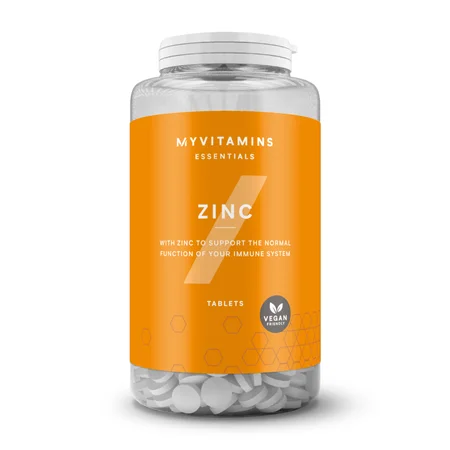
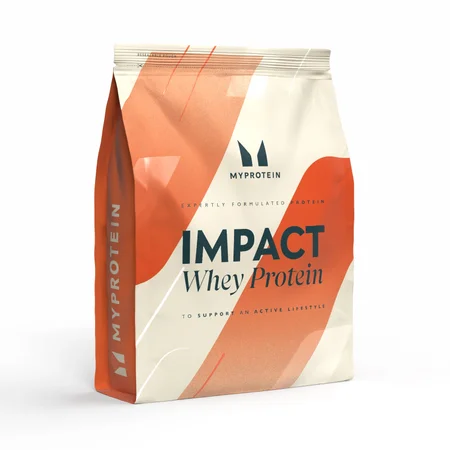
Zinc, omega-3 and whey protein all make a huge difference in saving money in order to bulk up on a diet.
Take home message
There’s more to bulking than eating what you want, when you want. To bulk properly and see the best results, you need to get the basics right first. Follow these steps, take it slow, and see where your bulking journey can take you — there’s more to gain than just muscle mass. If you like it simplified:
Train. Eat. Rest. Sleep. Repeat.

The Health Benefits Of Magnesium & The Best Supplements To Take
Unlock peak performance and deeper rest with the ultimate guide to magnesium....


What Are BCAAs? Benefits, Best Food Sources and FAQs
A complete guide to branched-chain amino acids...
FIND MORE HERE:

Alice Pearson is a UKVRN Registered Associate Nutritionist and UK Anti‐Doping accredited advisor, having obtained a Bachelor’s of Science in Nutrition and a Master’s of Science in Sport Nutrition. She has a specialist interest in the use of sports supplements for improving health, fitness, and sport performance.
Alice has experience working with both amateur and elite athletes, including providing nutritional support to Tranmere Rovers FC and Newcastle Falcons Rugby Club. Her nutritional guidance is always supported by evidence‐based research, which she keeps up to date through continuing professional development and independent learning.
In her spare time, Alice loves travelling, hitting the gym, and getting stuck into a good book.
Find out more about Alice's story here.
- Tipton, K. D., Ferrando, A. A., Phillips, S. M., et al. (1999). Postexercise net protein synthesis in human muscle from orally administered amino acids. American Journal of Physiology, 276(4), 628-634. doi.org/10.1152/ajpendo.1999.276.4.E628
- Ananieva, E.A., Powell, J.D., Hutson, S.M., (2016). Leucine Metabolism in T Cell Activation: mTOR Signaling and Beyond. Advances in Nutrition, 7(4), pp. 798-805. doi:10.3945/an.115.011221
- Elango, R., Ball, R. O. & Pencharz, P. B. (2014). Tolerability of Leucine in Humans. Branched Chain Amino Acids in Clinical Nutrition, 3-13. doi.org/10.1007/978-1-4939-1914-7_1
- Areta, J. L. & Hopkins, W. G. (2018). Skeletal Muscle Glycogen Content at Rest and During Endurance Exercise in Humans: A Meta-Analysis. Sports Medicine, 48(9), 2091-2102. doi.org/10.1007/s40279-018-0941-1
- Areta, J. L., Burke, L. M., Ross, M. R., et al. (2013). Timing and distribution of protein ingestion during prolonged recovery from resistance exercise alters myofibrillar protein synthesis. The Journal of Physiology, 591(9), 2319-2331. doi.org/10.1113/jphysiol.2012.244897
- Escobar, K. A., VanDusseldorp, T. A. & Kerksick, C. M. (2016). Carbohydrate intake and resistance-based exercise: are current recommendations reflective of actual need? British Journal of Nutrition, 116(1228), 2053-2065. doi.org/10.1017/S0007114516003949
- Bishop, P. A., Jones, E. & Woods, A. K. (2008). Recovery From Training: A Brief Review: Brief Review. Journal of Strength and Conditioning Research, 22(3), 1015-1024. doi: 10.1519/JSC.0b013e31816eb518
- McLester, J. R., Bishop, P. A., Smith, J., et al. (2003). A Series of Studies-A Practical Protocol for Testing Muscular Endurance Recovery. Journal of Strength and Conditioning Research, 17(2), 259-273.
- Aragon, A. A. & Schoenfeld, B. J. (2013). Nutrient timing revisited: is there a post-exercise anabolic window? Journal of the International Society of Sports Nutrition,10(5). doi: 10.1186/1550-2783-10-5
- Fullagar, H. H. K., Skorski, S., Duffield, R., et al. (2015). Sleep and Athletic Performance: The Effects of Sleep Loss on Exercise Performance, and Physiological and Cognitive Responses to Exercise. Sports Medicine, 45(2), 161-186. doi.org/10.1007/s40279-014-0260-0
- Sassin, J. F., Parker, D. C., Mace, J. W., et al. (1969). Human growth hormone release: relation to slow-wave sleep and sleep-walking cycles. Science, 165(3892), 513-515. doi: 10.1126/science.165.3892.513


