Vitamins for Skin
Looking great starts with looking after your skin. Browse our full range of vitamins and supplements designed to build and maintain healthy skin.
Don't forget to check out our cost-effective vitamin supplements with our Vitamins for Hair and Nails ranges.
2 Results
Shop Vitamins for Skin at Myprotein
Skin vitamins are among the most searched supplements out there — and for good reason. The right nutrients play a direct role in how your skin looks and functions at a cellular level. From vitamin C, which contributes to normal collagen formation for the normal function of skin1, to zinc, which contributes to the maintenance of normal skin2, this range covers the key micronutrients that your skin actually relies on.
Every product here is developed by Myprotein's expert nutritionists and comes in formats designed for everyday use — capsules, softgels, and tablets that fit into your routine without any fuss. Whether you're looking at a single targeted supplement or building a broader stack, you'll find options suited to a range of goals and lifestyles.
Who Vitamins for Skin Are For
These supplements are for anyone who wants to make sure their skin is getting the micronutrients it needs. Diet gaps are common — modern eating patterns often fall short on key skin-relevant nutrients like zinc, vitamin A, and vitamin C. If your diet isn't consistently rich in these, a targeted supplement can help fill the gap without overcomplicating your daily routine.
They're also popular with people who are already health-conscious and want to take a more considered approach to their skin from the inside out. That includes those who train regularly, follow restricted diets, or simply want the reassurance that their nutritional bases are covered. Skin supplements aren't a replacement for a balanced diet — but they're a practical addition when life gets busy.
When to Use Vitamins for Skin
Most skin vitamins work best when taken consistently as part of a daily routine rather than sporadically. Fat-soluble vitamins like vitamin A and vitamin D are best absorbed alongside a meal that contains some dietary fat — a softgel taken with breakfast or lunch is a straightforward habit to build. Water-soluble vitamins like vitamin C can be taken at any time of day, though pairing them with food can reduce the chance of any stomach sensitivity.
Consistency is more important than timing when it comes to micronutrients. Many of these nutrients accumulate gradually in the body, so daily use over weeks and months is where you'll get the most from them. If you're taking multiple supplements, spacing them through the day rather than taking everything at once is a sensible approach.
Vitamins for Skin Benefits
Vitamin C and Collagen Formation
Vitamin C is one of the most well-established nutrients in the context of skin health. It contributes to normal collagen formation for the normal function of skin1 — and collagen is the structural protein that gives skin its firmness and integrity. Vitamin C also contributes to the protection of cells from oxidative stress3, making it a dual-purpose nutrient worth including in any skin-focused supplement routine.
Zinc for Skin Maintenance
Zinc is an essential trace mineral and one of the most versatile nutrients in this category. It contributes to the maintenance of normal skin2 and also contributes to the protection of cells from oxidative stress3. Because zinc isn't stored in large quantities by the body, regular daily intake matters — and many people's diets don't consistently deliver optimal amounts.
Vitamin A for Skin and Cell Specialisation
Vitamin A contributes to the maintenance of normal skin4 and has a role in the process of cell specialisation5 — the mechanism by which cells develop into the specific types the body needs. It's a fat-soluble nutrient, which means taking it alongside dietary fat improves absorption. Vitamin A is foundational in any skin-focused supplement approach.
Vitamin D3 — More Than Bone Health
Vitamin D3 is best known for its role in normal bone maintenance, but it's also involved in normal immune function6 and has a role in the process of cell division7. Cell division underpins normal skin renewal, making vitamin D a relevant addition to a skin supplement routine — particularly for those in lower-sunlight environments where dietary sources become even more important.
Popular Picks
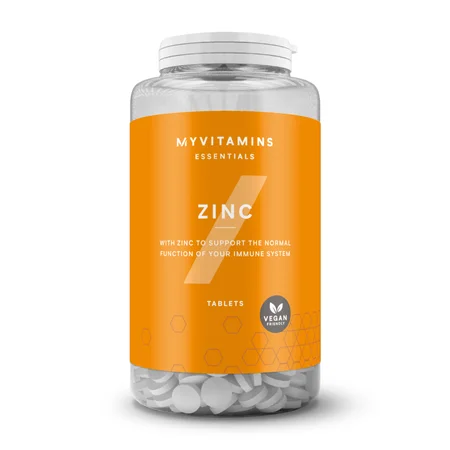
Zinc Tablets — A readily absorbed source of zinc, these tablets contribute to the normal function of the immune system.
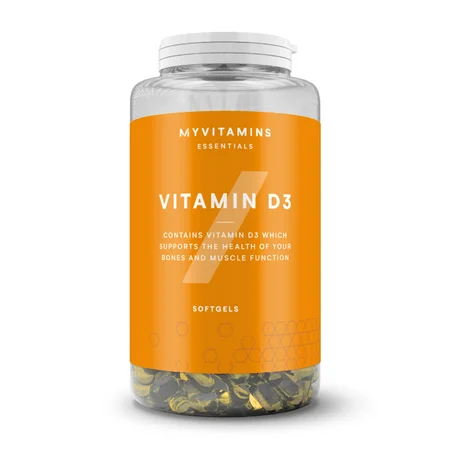
Vitamin D3 Softgels — Packing 25mcg of vitamin D3 per softgel, this is a straightforward way to get a nutrient that contributes to normal immune function, bones, and muscle function.
Glucosamine Chondroitin Capsules — Each serving delivers 250mg of glucosamine HCL, 200mg of chondroitin sulphate, and 300mg of MSM in a single convenient capsule.
FAQs
What are the best vitamins for skin?
Vitamin C, zinc, and vitamin A are three of the most relevant nutrients for skin. Vitamin C contributes to normal collagen formation for the normal function of skin1, zinc contributes to the maintenance of normal skin2, and vitamin A contributes to the maintenance of normal skin4. Each works through a different pathway, which is why many people include more than one in their daily routine. The right starting point depends on your diet and any specific gaps you're looking to address.
What are skin supplements?
Skin supplements are vitamins, minerals, and other nutrients taken in supplement form — capsules, softgels, or tablets — to support the micronutrient intake associated with normal skin function. They're not topical products; they work from within by ensuring your body has the raw materials it needs. Common examples include vitamin C, zinc, vitamin A, and vitamin D3, all of which have established roles in normal skin biology.
Which supplements for skin does Myprotein offer?
The range includes a variety of formats and key nutrients relevant to skin health. Zinc Tablets provide an easily absorbed source of this essential trace mineral. Vitamin D3 Softgels deliver 25mcg of vitamin D3 per serving. Glucosamine Chondroitin Capsules and Curcumin & Vitamin D3 Capsules round out the range for those looking at broader nutritional support. All products are developed by Myprotein's expert nutritionists.
How long does it take for skin vitamins to work?
Skin vitamins are micronutrients, not quick-acting compounds — they work by ensuring your body isn't running short on what it needs for normal skin function. Most nutritionists suggest giving any supplement at least 8–12 weeks of consistent daily use before drawing conclusions. Results aren't immediate, and consistency matters far more than any individual dose.
Can I take multiple skin vitamins at the same time?
Taking multiple skin-focused vitamins together is common practice. Some nutrients actually work in combination — vitamin C, for example, contributes to the regeneration of the reduced form of vitamin E8, making them a naturally complementary pair. Fat-soluble vitamins like A and D are best taken with a meal containing dietary fat to optimise absorption. If you're stacking several supplements, spacing them through the day rather than taking everything at once is a practical approach.
Who are these skin supplements developed by?
All Myprotein supplements, including the skin vitamins range, are developed by Myprotein's expert nutritionists. Every formula is built around established nutritional science, using ingredients in forms and dosages that reflect current understanding of how these nutrients function in the body.
Do I need to take skin vitamins every day?
Daily consistency is the most effective approach for micronutrient supplementation. Unlike some supplements where timing and dosing strategy vary, vitamins and minerals for skin work best when taken regularly over time. Water-soluble vitamins like vitamin C aren't stored by the body in large quantities, so a daily intake matters. Fat-soluble vitamins like A and D accumulate more slowly and persist longer, but daily use still gives you the most reliable coverage.
What's the difference between vitamin C and zinc for skin?
Vitamin C and zinc both contribute to normal skin function but through different mechanisms. Vitamin C contributes to normal collagen formation for the normal function of skin1 and contributes to the protection of cells from oxidative stress3. Zinc contributes to the maintenance of normal skin2 and is involved in normal cell division9. They're complementary rather than interchangeable — many people include both as part of a broader skin-focused supplement routine.
Are skin vitamins suitable for vegetarians?
It varies by product and format. Tablets and capsules are often suitable for vegetarians, while softgels — like Vitamin D3 Softgels — may use a gelatin shell unless specifically labelled otherwise. Always check the individual product's allergen and ingredient information on the product page to confirm suitability for your dietary requirements.
What format do Myprotein skin vitamins come in?
The skin vitamins range comes in several convenient formats — tablets, capsules, and softgels — making it easy to find something that fits your daily routine. Tablets and capsules are straightforward to take with water at any time of day, while softgels like Vitamin D3 Softgels are designed for fat-soluble nutrients that benefit from being taken alongside food. No powders or mixing required in this category.
1. Vitamin C contributes to normal collagen formation for the normal function of skin.
2. Zinc contributes to the maintenance of normal skin.
3. Vitamin C contributes to the protection of cells from oxidative stress.
4. Vitamin A contributes to the maintenance of normal skin.
5. Vitamin A has a role in the process of cell specialisation.
6. Vitamin D contributes to the normal function of the immune system.
7. Vitamin D has a role in the process of cell division.
8. Vitamin C contributes to the regeneration of the reduced form of vitamin E.
9. Zinc has a role in the process of cell division.